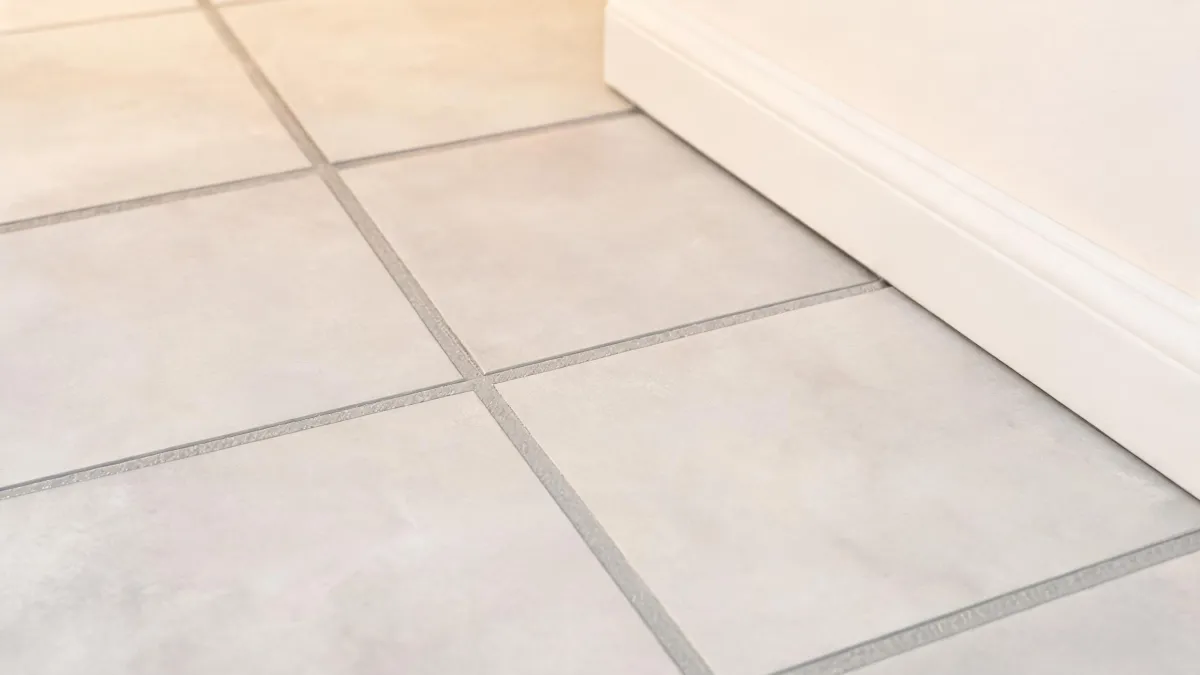
Most Building Material Failures Are Spec Failures, Not Factory Failures
Roughly 8 in 10 of the defects I have rejected in seven years of construction-material QA were already present in the specification we approved—not introduced at the factory. Tile that lands 3 Delta E off the architect's reference. Precast concrete that cures to 1,800 PSI under a 2,500 PSI specification. Brick veneer anchors spaced to a submittal that fails TMS 402 wind-load calculations. None of those are production problems. All of them are approval problems.
The math is unglamorous: five minutes reviewing a spec sheet before the PO goes out saves about five days of rework after the truck arrives. I have watched that ratio hold across Marazzi tile orders, bulk precast concrete pours, and brick veneer packages for masonry and veneer applications across North Texas.
Why I Trust Specs More Than Certificates
I am the quality and brand compliance manager at a specialty building-materials distributor. Every delivery gets reviewed against the specification package before it touches a customer's jobsite—roughly 220 unique SKUs a year, or rather closer to 210 once you strip out the discontinued lines we still carry for legacy customers. That covers ceramic tile, precast concrete, brick veneer, and the mortar systems that hold them together. In 2023 I rejected 34% of first-production runs. That number embarrasses me less now that I understand where the failures originated.
In our Q1 2024 quality audit, we traced every rework event from the previous 18 months back to its root cause. The pattern was uncomfortable: 81% of issues could have been caught at the spec approval stage. We were doing the hard work at the wrong end of the process.
The specific trigger was a 4,200-square-foot Marazzi tile package for a Dallas distributor in early 2023. Color came in at Delta E 4.2 against the approved reference sample. The vendor pointed at their own submittal and said we had signed off on “V3 shade variation,” which is technically true—we had. What we had not done was verify that V3 for that specific collection matched the architect's mockup. I assumed “V3 shade variation” meant the same thing across the whole Marazzi line. Didn't verify. Turned out each collection uses its own shade range, and the sheet we approved belonged to a different series. The customer spec'd V1. We ate the redo: $22,000 in replacement tile plus freight and a two-week schedule delay.
That was the last time I let “they say it's within industry standard” be the end of the conversation.
The Five Checks I Run Before Any PO Goes Out
1. Color and shade variation, referenced to the mockup—not the catalog
The ANSI A137.1 shade variation classification (V1 through V4) is a range, not a point. Two “V2” tiles from different production runs can still land far enough apart to be visible once they're installed side by side on a Dallas exterior.
ANSI A137.1 defines shade variation categories, but the standard does not guarantee cross-batch consistency. That is a contractual term, not a compliance term. Put the tolerance in the PO: “Delta E ≤ 2.0 against approved physical sample, batch-to-batch.”
I now keep a physical mockup board for every collection we stock. Not a photo. A physical tile. Photos lie across different screens and printer calibrations.
2. Absorption rate versus the actual installation environment
Ceramic tile for freeze-thaw climates needs an absorption rate below 0.5% per ASTM C373 for porcelain. This is not optional in North Texas, where we get two or three hard freezes a year and installers are suddenly very interested in your spec book.
Here's something ceramic tile suppliers will not volunteer: the test report they send with the submittal is often from a sample fired in a pilot kiln, not the production run. The difference is usually small. It is also occasionally large enough to fail. I require production-run data with lot numbers attached.
3. Dimensional tolerance and grout joint implications
Rectified versus non-rectified changes the joint width, which changes the layout, which occasionally changes the whole design intent. I have watched a designer's 1/16-inch joint plan get derailed because a supplier substituted a non-rectified tile to hit a ship date. Nothing fails inspection. Everything fails the drawing.
4. Adhesive, mortar, and anchor system compatibility
This is the one that scares me the most. A perfectly specified tile with an incompatible mortar or adhesive is a warranty claim on a five-year clock. For brick veneer, the anchor and tie system has to be evaluated against TMS 402 wind loads, and the fastener schedule in the brick veneer specification guide should be site-specific. Generic “meets ASTM C216” language on a brick veneer specification guide is a starting point, not a specification.
5. For bulk precast concrete: cure records, not just compression results
ASTM C39 compression results tell you what the concrete can do at 28 days. They do not tell you whether the batch was cured consistently. I have received 2,500 PSI mixes with beautiful break results and visible surface crazing that showed up six weeks later under a Dallas summer sun. Now I ask for time-temperature cure logs and cylinder break sheets together. If they cannot produce both, we pass.
The Cost of Skipping It
The 4,200-square-foot Dallas tile order cost us $22,000 in direct redo, plus a two-week schedule hit, plus about $4,800 in expedited freight to keep the customer from walking. The checklist takes 15 minutes for a typical order. I have run it roughly 950 times since 2023. I have caught 61 spec-level mismatches before the PO went out. I do not know what all 61 would have cost if they had shipped—maybe $600,000 in aggregate, maybe less, I would have to check the rework log. I know what one of them did.
So glad we started requiring production-run data. Almost accepted a pilot-kiln report on a 3,800-square-foot exterior project last spring—would have been a redo in August, in Texas, on a job that could not slip.
What This Checklist Is Not
This is not a vendor trust exercise. I have suppliers I have worked with for six years where I still run the checklist, because they have grown, added SKUs, and changed plant locations (note to self: update the discontinued SKU count on next quarter's audit). The checklist protects the relationship as much as it protects the delivery.
It is tempting to think you can just compare unit prices across ceramic tile suppliers. But identical specs from two vendors can land 15–20% apart in total installed cost once you add waste factor, adhesive, and rework probability. The cheapest unit price is not the cheapest project.
It is also not the right approach for every situation. If you are buying two boxes of tile for a bathroom, the transaction cost of a full specification review outweighs the risk. If you are buying a single pallet of brick veneer for a residential sidewall, a verbal confirmation against a manufacturer's published spec is usually fine (usually—not always). The five-check process pays for itself above roughly 500 units or $10,000 in order value. Below that, apply it selectively.
One more boundary: the checklist fails if you cannot get honest production data. Some suppliers will not share cure logs, batch numbers, or pilot-kiln versus production-run distinctions. That reluctance is itself information. Take it that way.