Why the Best KONE Elevator Repair Is the One You Never Need
After handling 400+ KONE emergency service calls, I've learned the hard way that most emergencies are preventable. Here's what the data—and a 12-point checklist—actually change.

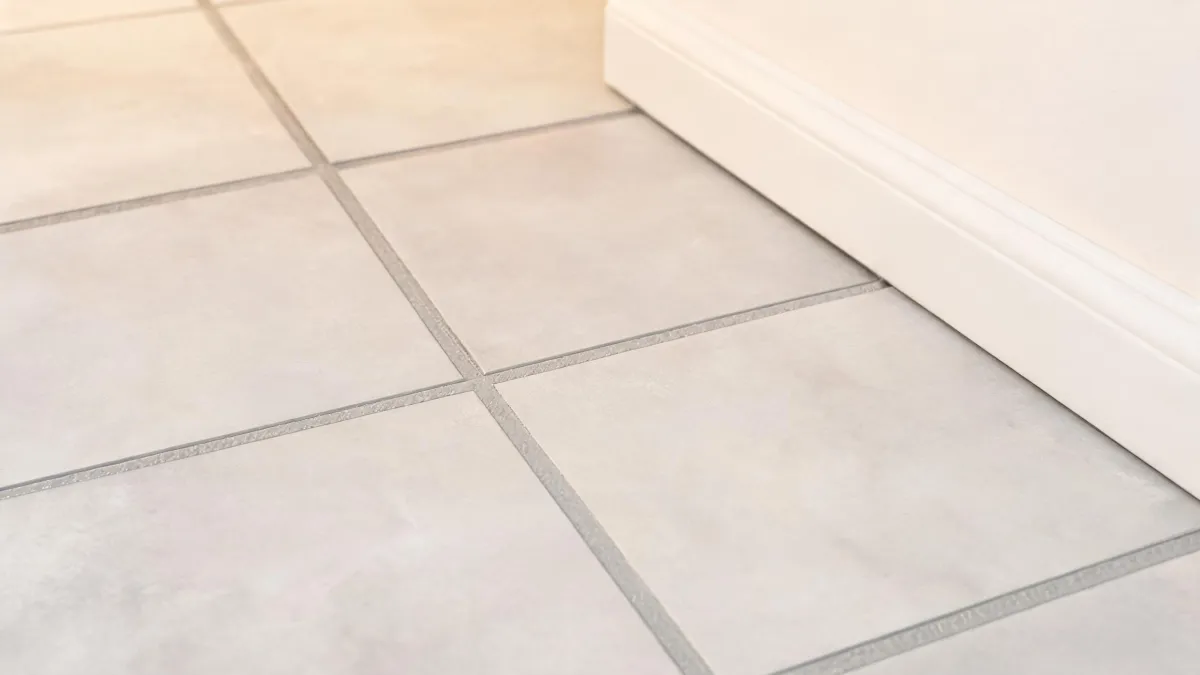
I'm a procurement manager at a 42-person building materials distributor. I've managed our tile, adhesive, and masonry budget—about $2.8 million annually—for 7 years. I've negotiated with 60+ vendors and logged every order in our cost tracking system. The biggest lesson? The right sourcing move depends on your scenario.
Most buyers focus on unit price and completely miss the cost of batch mismatch, breakage, storage, and returns. The question everyone asks is 'what's your best price?' The question they should ask is 'what's included, and what happens when the lot doesn't match?'
Here are the three scenarios I see most often in commercial tile sourcing and masonry buying. Find the one that sounds like your project.
When the architect or client names Marazzi, your job isn't just to find the lowest number. It's to protect the specification. I went back and forth between an authorized distributor and a marketplace seller for two weeks on an 18,000 sq ft hospitality project. The marketplace was 12% cheaper on paper. But the authorized distributor offered batch consistency, written shade and caliber ranges, and a return path for damaged material. Ultimately chose the distributor because a $9,000 savings wasn't worth a partial reorder when one lot ran warm.
For Marazzi tile, ask for batch, shade, and caliber control before releasing the PO. Get actual lot numbers, not just a stock photo. Ask for DCOF, PEI, frost resistance, and breaking strength data. Don't accept a brochure as a spec sheet. Build landed cost: freight, liftgate, palletization, breakage allowance, storage, and disposal. I keep a TCO spreadsheet for every commercial tile sourcing quote because the invoice price is rarely the full story.
In my opinion, the authorized route wins when the spec is visible and the project can't absorb a dye-lot issue. For a small repair or a covered area, a marketplace may be fine—if you verify the seller's handling and return policy. To be fair, some distributors earn their margin by holding stock and solving problems. That's worth real money when a job is on the line.
Bulk mosaic tile is where spreadsheet math gets dangerous. We analyzed a $180,000 cumulative mosaic spend across six years. The direct-import quote looked 22% cheaper than a domestic distributor. My gut said no. Turned out the quote excluded customs brokerage, container unloading, breakage, and six weeks of storage. The real difference was closer to 6%. That's a gut-vs-data lesson I still use.
If you're buying bulk mosaic tile, don't compare price per sheet. Compare installed cost per square foot. Mosaic sheets have nominal coverage that rarely matches actual coverage after cuts, mesh damage, and grout lines. Roughly speaking, add 10-15% waste for complex layouts—more for hexagon or small formats. In Q2 2024, we switched a multi-family project from 1x1 mosaics to a 2x2 pattern and cut cutting waste by 4%, mostly because the layout was simpler.
What to check:
To be fair, direct import can work if you have warehouse space, a customs broker, and a QC person on the ground. If you don't, a domestic distributor's higher unit price often buys down risk. Granted, that's not a license to overpay. Ask for a break-even analysis: at what volume does the import route actually save money after all fees?
Masonry brick is a different animal. Tile is mostly finish; brick can be structure, envelope, and fire rating. How to evaluate masonry brick manufacturers comes down to plant discipline, not sales polish.
I visited four brick plants in 2024 while sourcing for a mixed-use project. One had a beautiful catalog and a two-week quote turnaround. Another had a messy yard but a lab tech who could trace every batch to raw clay. We chose the second. The first later missed a color target on a sample panel. That one visit saved us what would have been a $14,000 rework and a schedule hit.
Here's what I ask:
This is where the expertise boundary matters. The vendor who said, 'We're great at extruded brick, but for thin veneer you should talk to a specialist,' earned my trust for everything else. I'd rather work with a specialist who knows their limits than a generalist who overpromises. Granted, a one-stop supplier can reduce PO count. But if they claim to do tile, mosaic, brick, precast, and installation equally well, I get skeptical.
The vendor who said, 'this isn't our strength—here's who does it better' earned my trust for everything else.
Ask five questions before you send an RFQ:
Personally, I'd rather pay 6-10% more for a supplier who documents batches, answers technical questions, and says 'we don't do that' when they don't. That's not charity—it's cheaper than a failed inspection or a reorder. Prices and lead times as of 2025; verify current rates and regulations with the manufacturer and official sources.

Laila Mensah is an exterior-access and building-mobility analyst covering composite decking, fencing, guardrails, handrails, stair systems, ramps, elevators, escalators, and associated hardware. She uses ASTM D7032 evidence for wood-plastic composite deck boards and guards while separately examining rated load, span, fastener spacing, slip resistance, corrosion exposure, clearances, travel speed, stopping accuracy, and emergency operation. Her comparisons help designers, contractors, and property teams coordinate safe circulation, weather durability, accessibility, installation interfaces, and maintenance planning.