6:47 AM, and the Color Was Already Wrong
I was standing in front of 47 pallets of masonry brick at a project site in Ohio, March 2024, holding a color card we'd approved three weeks earlier. The brick in front of me was the same SKU, same batch number on the paperwork. It was not the same brick. Warmer. Or maybe yellower. Slightly off in a way you couldn't unsee once you noticed it.
The project manager was next to me, and I could see him doing the math in his head — schedule, labor, the masons already on-site. That morning changed how I spec every material we buy.
For years, I'd treated sourcing building materials as a price exercise. Get three quotes. Pick the lowest. That's a rookie move, and I say that as someone who spent the better part of a decade doing exactly that.
How We Got There
The project — an 82-room boutique hotel — needed a full material package: Marazzi tile for bathrooms and public-area flooring, masonry brick for the exterior façade, and precast concrete for structural elements and landscape retaining walls.
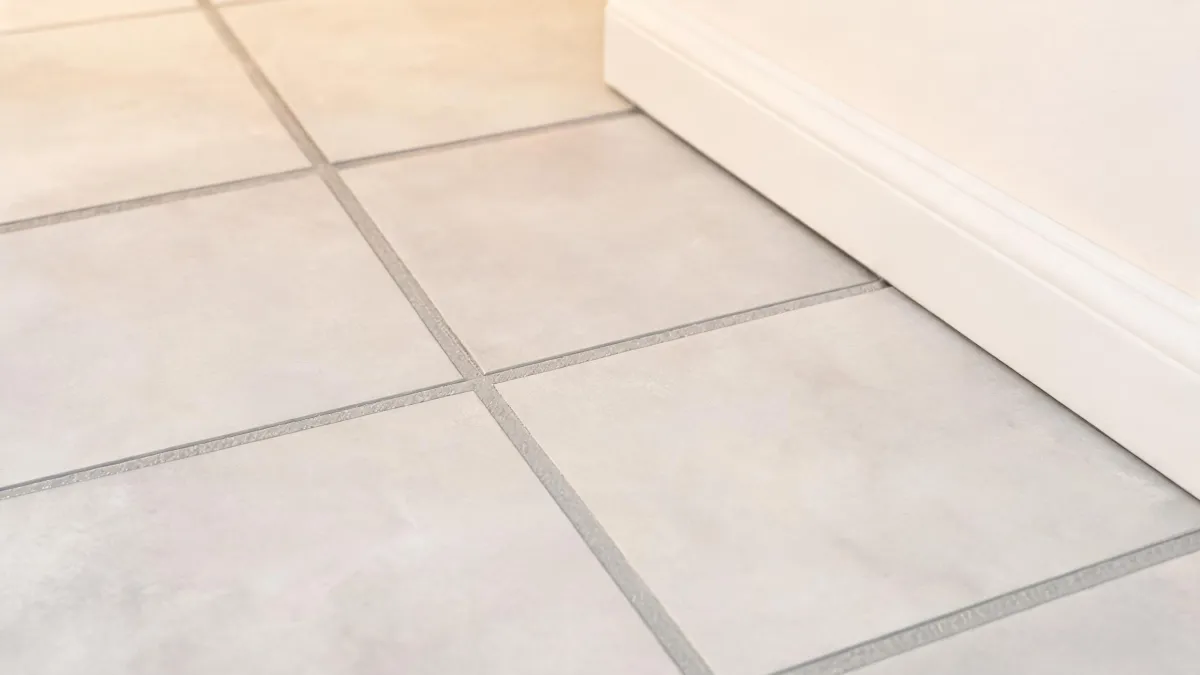
We settled on the Marazzi tile flooring and wall collections in January. Their marble-look and wood-look lines held up in the mockup room, and I'd been using a supplier verification protocol since 2022 that requires kiln-line traceability, batch color cards, and water absorption reports on every tile shipment. That part of the project, in hindsight, was the only one that didn't go sideways.
The masonry brick was a different story. I went back and forth between two options for nearly two weeks. Option A was a classic OEM arrangement — the distributor put our name on a generic brick line, quoted about 14% below market, and sent templated spec sheets. Option B was private label: same category of brick, but the distributor controlled the production line, issued batch-level color cards, and could trace a pallet back to a specific kiln run. Option A was cheaper on paper. Option B was more expensive per unit but came with documentation I could actually verify.
I went with Option B for the brick. The precast concrete, though, I let go to a local supplier on a low-bid basis. That decision cost me.
The Break Point
The first masonry brick shipment arrived March 18. I ran a first-article inspection — ten pallets, five bricks pulled at random from each, compared against the approved sample card. Color fell inside tolerance. Dimensional variance on a 20-piece sample came in under ASTM C216 allowable limits. I signed the release.
A week later, the mason foreman called me. Third wall in, the color had shifted. Not dramatically — but enough that under morning light, the wall read as two different bricks. When I pulled the production records, I found the second shipment had come off a different kiln line. The supplier hadn't disclosed the switch. Same batch number on the label, different kiln run underneath.
That same week, two of five precast concrete elements came in with cover depth 4 to 6 mm under spec. Not catastrophic on its own — but for a façade system in a wind-load zone, it meant rework. And our own specification document didn't include a field verification method for cover depth. That was on me.
What We Did
We got on a three-hour call that afternoon — mason, developer, both suppliers, me. Here's what came out of it:
- The masonry brick shipment went back. Supplier covered freight and re-processing. Every subsequent batch had to ship with kiln-line ID, production date, and a photographed color-card comparison.
- The precast concrete elements were tested and replaced. Cost was split — half on the supplier, half on us, because the spec never defined the inspection method. That's a lesson I keep relearning.
- The Marazzi tile — the only material line with full batch traceability from the start — had zero issues. Every carton carried a batch code we could scan back to the kiln line. That became the standard I now apply across every category.
Total damage: about $38,000 in rework, freight, and secondary sourcing. Eleven days of schedule slip. But the number that actually stung was the one I put together at our Q2 2024 quality audit: roughly $26,000 of that $38,000 was avoidable if we'd applied the same traceability standard to brick and precast that we already had on tile.
What I Actually Think About TCO Now
I don't have hard data on industry-wide defect rates by material category. What I can say from our own review — roughly 200 material batches across mid-range commercial projects since 2022 — is that somewhere between 15% and 20% of first deliveries show at least one spec deviation that requires a decision. That's not a benchmark. That's just our sample.
Here's the TCO frame I use now, and it's not complicated:
- Unit price × quantity — the number everyone stares at.
- Freight, handling, storage — the number everyone forgets.
- Inspection, rework, and secondary sourcing labor — the number that shows up two weeks later.
- Rework and replacement cost from color, dimensional, or performance failures.
- Time spent arguing about specs that were never written clearly enough in the first place.
When I put Option A (OEM, cheap) and Option B (private label, 14% higher unit price) side by side using that frame, Option B won every time. Not because it's better material. Because it comes with the data I need to hold the supplier accountable.
On a masonry brick distributor decision, the question I ask now isn't "what's your price per thousand?" It's "can you trace a pallet back to a kiln line, a production date, and a color card?" If the answer is yes, the conversation about price gets real. If it's no, the cheap quote isn't cheap.
I'd be careful about applying this too broadly. My sample is U.S. Midwest commercial projects, mid-market price points. If you're sourcing for high-rise structural work or luxury residential, your spec thresholds and inspection cadence will look different. And if you're buying imported precast or brick from overseas, the traceability conversation is a whole different animal.
What I'd Tell Anyone Specifying Marazzi Tile or Masonry Brick Today
Go look at a supplier's batch records before you look at their price sheet. Ask for a kiln-line number. Ask for the color card from the actual run, not the master card. Ask what happens if the shipment shows up and the color doesn't match — who pays, how fast, and what the reorder timeline looks like.
None of that is glamorous. But I've never had a supplier who could answer those questions fail an inspection. I've had plenty who couldn't answer them that did.
That's the thing I keep coming back to. The cheap quote and the right quote can look identical on a spreadsheet. They stop looking identical the morning you're standing in a parking lot with 47 pallets and a color card that doesn't match.