In September 2025, a general contractor I had worked with for years sent a bid request at 2:10 PM. The deadline was 5 PM on Friday. The project called for 4,200 concrete blocks wholesale, a few pallets of mortar, and 7,400 square feet of tile specified as Marazzi Moroccan Concrete Terra Cotta. It looked like a normal bid. It ended up costing us about $4,800 and a chunk of trust.
I have been quoting building materials for a living since 2018, mostly Marazzi tile and masonry products. I keep a folder of documented mistakes. That folder had already crossed $20,000 in wasted budget by the middle of 2025. This job added the biggest single line to it. The mistake was not that I picked a cheap material. The mistake was that I treated two specifications as pictures instead of performance documents.
The Marazzi Moroccan Concrete Terra Cotta Tile Spec
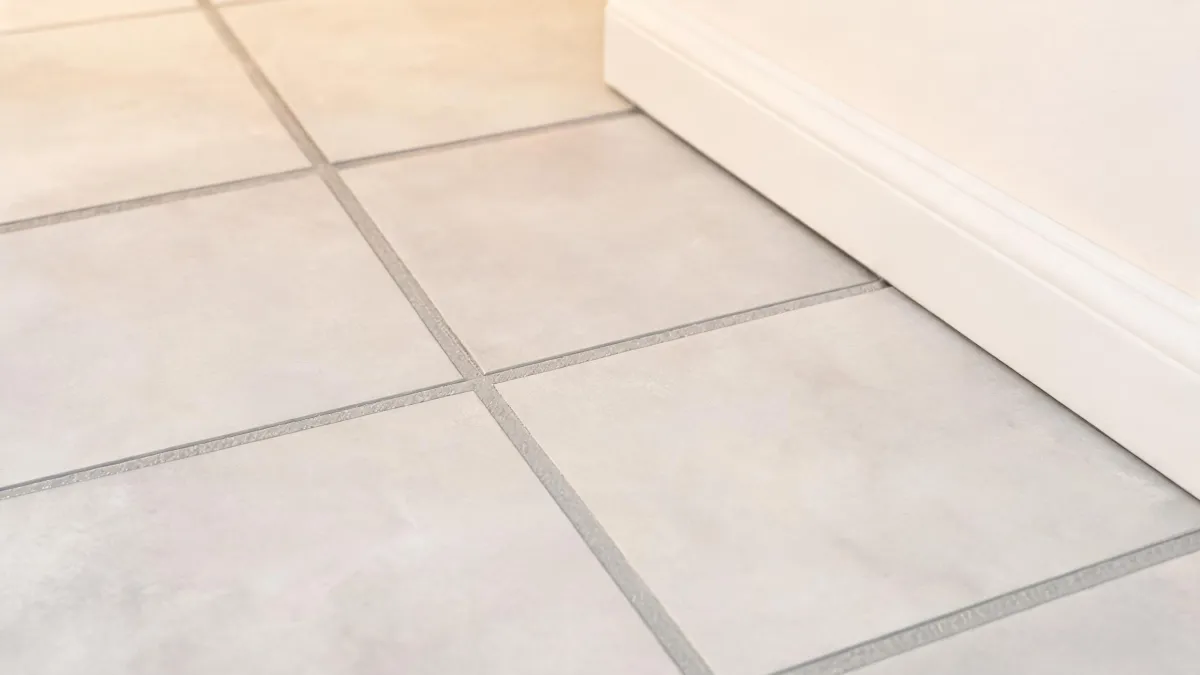
The project was a boutique residential building with ground-floor retail. The architect specified a warm, concrete-look porcelain floor for the lobby and corridors. On the drawing, the material listed was Marazzi Moroccan Concrete Terra Cotta. That name was doing two jobs: it described a look, and it set a quality benchmark.
The GC asked if there was a cheaper way to hit the same look. We offer ceramic tile private label on several programs, so I called our private-label tile source and asked for their closest Moroccan Concrete Terra Cotta option. The 12-inch sample arrived within two days. Set next to the real Marazzi tile in our showroom, it looked close enough. I quoted it at $0.68 per square foot below the branded product and submitted the bid as an approved equal.
I had about two hours to make that decision before the email went out. In hindsight, I should have insisted on a full specification comparison instead of comparing samples under showroom lights. What I mean is, the visual sample was fine. The production control was not. When the private-label order arrived, the dye lots shifted. Some boxes had a grayer undertone. Others had a much warmer terracotta cast. The installer mixed boxes carefully, but he could not fix a color shift that was baked into the production run.
The architect caught it after about 950 square feet had been installed in the lobby. In north daylight, the color change across the floor was obvious. The sample had looked like Marazzi Moroccan Concrete Terra Cotta. The delivered floor did not. We had to pull it out, order the actual Marazzi tile, and pay for replacement installation and freight. Tile incident total: about $3,400.
The frustrating part was that I was not against private label. Some of our best ceramic tile private label programs are tightly controlled. But I had approved an image, not a specification. I had not asked for shade tolerance data, production sample approval, or a clear statement that the factory would hold the same dye lot across an order that size. That is how a $0.68 per square foot savings turns into a much bigger loss.
The Concrete Blocks Wholesale Quote I Did Not Verify
The same job included the concrete masonry wall around the property. The block spec looked simple: 4,200 units of 8-inch by 8-inch by 16-inch concrete block. I opened the price list from our regular block supplier and saw $1.46 per block. That price was still in our system from a previous order. I multiplied it by 4,200, applied our standard markup, and sent the bid at $2.10 per block.
I did not read the rest of the specification. The wall called for normal-weight CMU. The price I had in our system was for lightweight residential block. Normal-weight block cost more per unit. It also weighs more per pallet, which means each truckload carries fewer blocks. And because the job site had limited staging space, our schedule required four separate deliveries instead of the three I had assumed.
The block overage was about $1,330. That was not a catastrophic number by itself. But added to the tile problem, it pushed the project into five-figure embarrassment. I should have made one phone call to confirm the concrete block price, freight quote, and delivery schedule before sending the bid. I did not. At the time, I was in a hurry and I trusted a number that was already outdated.
Our Concrete Blocks Wholesale Cost Guide
After this job, I built the concrete blocks wholesale cost guide that our team now uses on every masonry bid. It starts before the unit price:
- Confirm the exact ASTM C90 weight classification: normal, medium, or lightweight.
- Verify the current price with the supplier on the date of the quote—no price list older than 30 days.
- Get a freight quote to the actual job site, not a general delivery zone rate.
- Calculate pallet count and weight per pallet. That determines how many truckloads you really need.
- Ask about unloading: forklift, boom truck, liftgate, driver only, or no driver assist.
- Add fuel surcharges, small-order fees, and any site access restrictions.
The phrase concrete blocks wholesale cost guide sounds like it should be full of national averages. Ours is not. It is a local worksheet. As of April 2026, our team updates every line of that worksheet before we send a quotation to a customer.
Quality Is Brand Image
The block lesson was about money. The tile lesson was about perception. The lobby floor was the first thing visitors saw when they walked into that building. The owner’s name was on the entry wall, but the product we supplied represented their brand just as much as their own logo did. When the floor looked patchy and the architect rejected it, that failure did not damage only the tile factory. It damaged the general contractor, the developer, and our own reputation as a supplier.
I am careful here: I am not saying branded products are automatically better or that private label is automatically risky. Some of our strongest product programs are ceramic tile private label programs with rigorous quality standards. The issue is ambiguity. If you leave a spec at the color name, someone will fill in the rest with assumptions. Those assumptions are where the money disappears.
That is the lesson I wish I had learned before September 2025: do not reduce a Marazzi Moroccan Concrete Terra Cotta specification to a color card. Do not reduce a concrete block specification to the words 8 by 8 by 16. The name gets you in the conversation. The specification is what protects everyone’s reputation.
This approach works for us because we are a regional distributor with predictable delivery routes and a small quoting team. If you are dealing with rail shipments, multiple manufacturing plants, or private-label imports from overseas, your cost guide will need more detail than mine. At least, that has been my experience in a regional wholesale market.